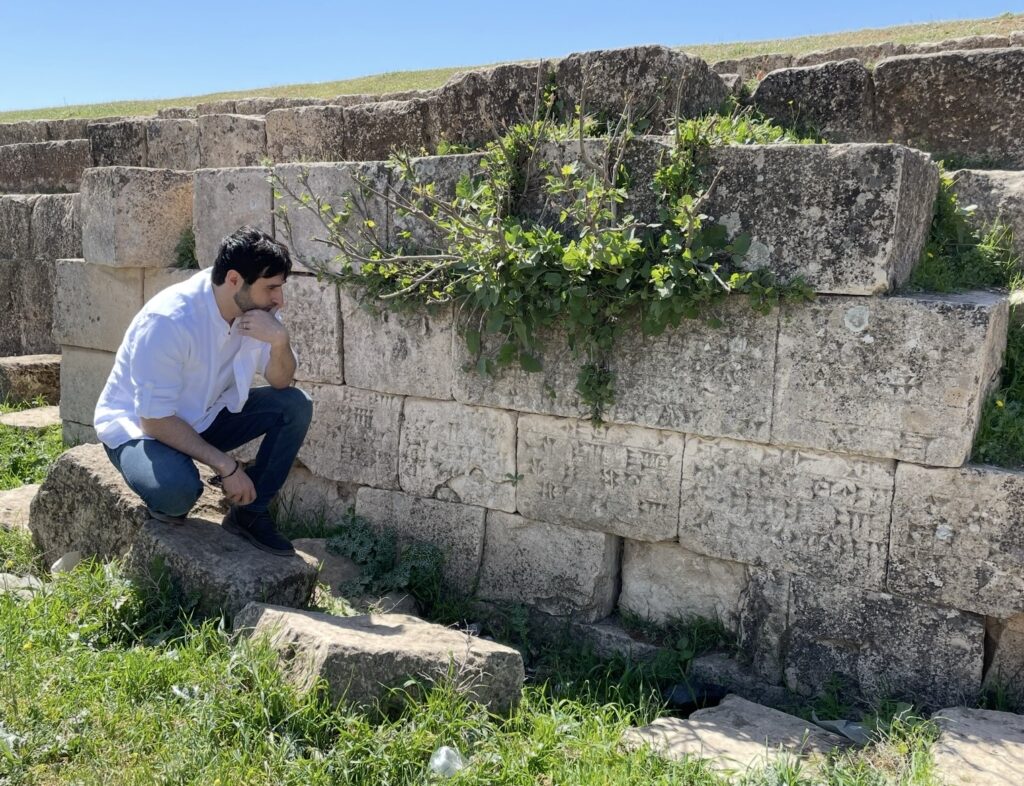
My journey of serving my community began when I moved back to my ancestral land in 2008 and tried to understand the situation and suffering of the minorities in the country and especially that of my own community of Assyrian Christians. We are one of the oldest communities in the world, with a presence in Mesopotamia stretching back thousands of years, yet in modern history we have experienced discrimination, persecution, displacement, and repeated attempts to erase our identity.
Growing up in the community and witnessing the struggles of our people both in Iraq and in the diaspora gave me a deep sense of responsibility. I realized that preserving our culture and advocating for our rights would require more than simply speaking about our challenges. It would require actually doing things—building institutions, creating opportunities, and ensuring that we are trying our best to improve the quality of lives for the disadvantaged.
One of the most important parts of my journey has been my involvement with Babylon FM. I established the country’s first all-English radio station, where the goal was bringing all ethnic and religious communities together and focus on things we have in common—like what is our favorite restaurant? What advice can we give for healthy living? Or just being silly and laughing at the news together. For too long, our communities have often been discussed by outsiders only during moments of tragedy, whether war, terrorism, or displacement. While these stories are important, they do not define us. Through Babylon FM, we have highlighted how we are just like any other nation, where we have our culture, achievements, and instances of resilience, while also providing a platform for dialogue among different communities and raising awareness about issues affecting everyone in Iraq.
My commitment to advocacy expanded further by co-founding the Shlama Foundation, an organization dedicated to supporting Assyrians and other vulnerable minorities in Iraq, particularly those affected by the atrocities committed by ISIS and the instability that followed. The genocide committed in 2014 resulted in the destruction of ancient communities, the displacement of hundreds of thousands of people, and a humanitarian crisis that continues to have lasting effects today.
At the Shlama Foundation, our approach has always been that dignity and long-term stability come from investing in people and communities. We have worked on projects ranging from rebuilding schools, supporting student transportation, providing humanitarian assistance, rehabilitating homes and businesses, and helping communities regain the resources necessary to remain in their ancestral homeland. Every classroom repaired, every family supported, and every small business restored represents a step toward preventing the disappearance of one of the world’s oldest civilizations.
One project that especially reflects our mission is our work in villages across northern Iraq, where years after the defeat of ISIS, many communities still struggle with damaged infrastructure and limited resources. Whether it is providing modern desks and educational materials to schools, restoring shops destroyed during the conflict, or addressing basic community needs, these projects may seem small to the outside world, but they have a profound impact on the people who benefit from them. They send a message to our people that they have not been forgotten.
Throughout this journey, I have also learned that advocacy must extend beyond humanitarian work. The future of Iraqi Christians and other minorities depends on political representation, equal citizenship, security, economic opportunities, and the ability to preserve our language, culture, and heritage. Our communities should not only survive—they should have the opportunity to thrive in the lands where they have lived for thousands of years.
Working with international organizations, governments, donors, and local communities has taught me the importance of building partnerships. No single individual or organization can solve the challenges facing Iraq’s minorities alone. However, when people from different backgrounds come together with a shared commitment to justice and human dignity, meaningful change becomes possible.
There is still much work ahead. Many of our people remain displaced, many villages continue to struggle, and the challenges facing minorities in Iraq remain significant. Yet despite everything our communities have endured, our history is one of survival and resilience. I remain committed to continuing this work, and not only to preserve what remains, but to help build a future where Iraq’s indigenous minorities can live with security, dignity, and the opportunity to flourish in the homeland of their ancestors.
- Noor Matti is Co-Founder of Shlama Foundation, and is a Middle East Minorities Institute Council of Experts member.
The views, thoughts, and opinions expressed in this article belong solely to the author and do not necessarily reflect the official policy, position, or views of the Middle East Minorities Institute, its leadership, or its affiliates.