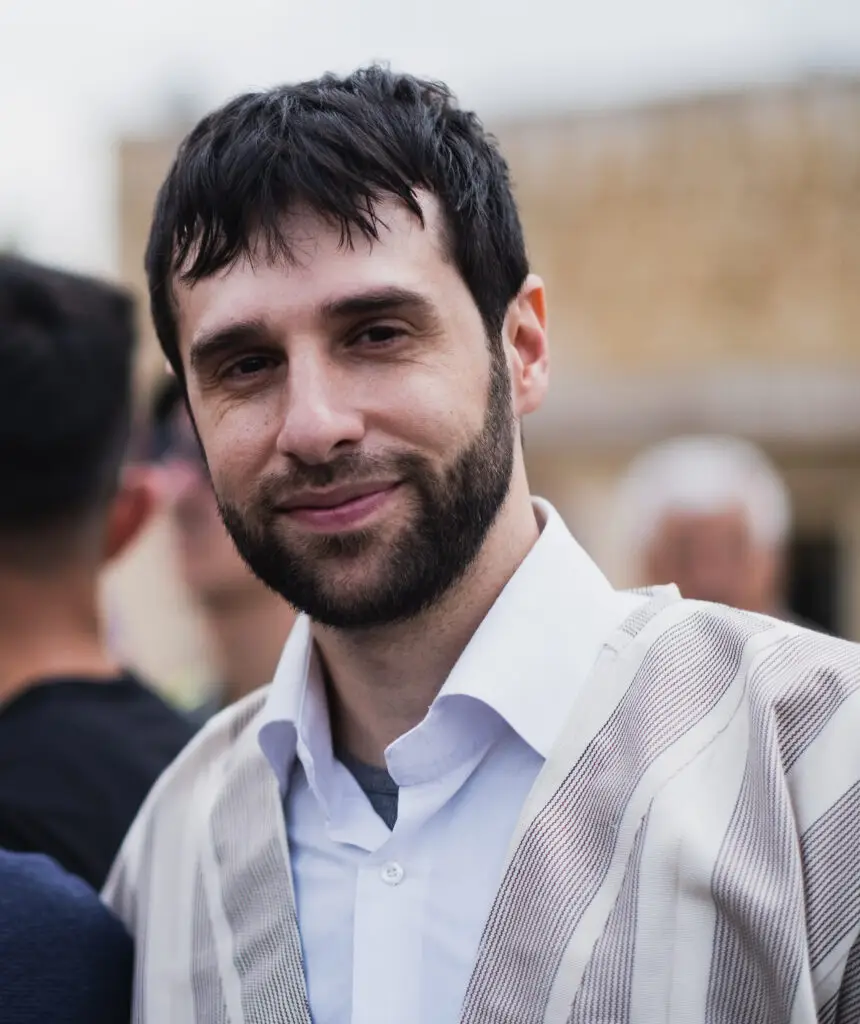
Noor Matti is the Co-Founder and Country Director of the Shlama Foundation, a nonprofit organization established in 2014 in response to the ISIS invasion and the mass displacement of Iraq’s minority communities from the Nineveh Plain. Since its founding, he has overseen more than $2.5 million in assistance and led the implementation of over 300 reconstruction and recovery projects supporting Christian and other vulnerable minority families. Under his leadership, the Foundation has rebuilt homes and small businesses, strengthened local economic resilience, and helped restore stability to communities devastated by conflict. He has coordinated closely with international donors, church institutions, local contractors, and community leaders to ensure accountable fund management, effective project delivery, and long-term resilience for historically marginalized populations.
Alongside his nonprofit leadership, Matti spent seven years working on USAID-funded programs implemented by Chemonics in the Nineveh Governorate, supporting minority communities of Yezidis, Christians, Turkmen and Kaka’i through stabilization, economic recovery, and local governance strengthening initiatives. His work focused on helping vulnerable populations rebuild livelihoods, improve municipal service delivery, and increase institutional capacity in post-conflict settings. In addition, he is the Co-Founder and former Director of Babylon FM, an independent radio station he created and managed for a decade, using live programming to bring together five different ethnic and religious communities and promote dialogue, shared identity, and civic engagement. Earlier in his career, he served four years as an English instructor in Iraq, training English teachers and advancing educational standards through US Government funded programs. This combination of development implementation, media entrepreneurship, education, and direct community leadership positions him to provide informed, strategic guidance on how U.S. support can most effectively advance the security, rights, and long-term sustainability of Iraq’s minority populations.